The America I Knew
- Mar 30
- 3 min read
Updated: Apr 4
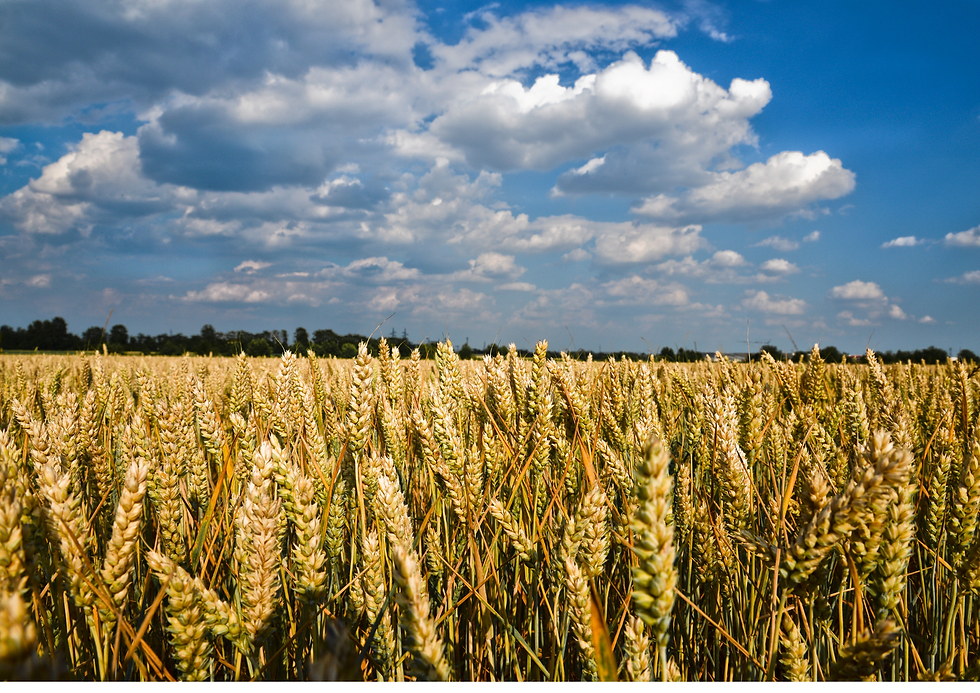
James Taylor’s rendition of "America the Beautiful" resonates with a deep reverence that mirrors my childhood vision of this country. I love the song's gentleness and his almost protective nature of it. It’s a video that appears to have been made about five years ago, in 2021. I can’t help but wonder if a version from 2026 would be the same. I hope so.
Growing up, there was a sense of freedom in getting in the car and traveling across this vast country without a second thought. The beauty of the amber waves of grain and the purple mountain majesty formed the backdrop of my childhood memories. It felt like a time when people weren’t as wary of strangers as they might be today. Neighbors came together, communities seemed to thrive on mutual support, and even politicians engaged in meaningful dialogue—sitting together, sharing meals, and negotiating for the greater good.
Yet, I realize now that my idyllic vision of America wasn’t everyone’s experience. It wasn’t until I grew older and began reading the newspaper (yes, those old printed pages) that I started to grasp the complexities of our world. It took effort to sift through the traditional norms and beliefs shaped by my neighborhood, school, friends, and family. Not that they were wrong, but expanding my knowledge was a stepping stone to understanding a broader truth. And sometimes those truths shook the very foundation of what I believed.
My worldview was significantly shaped by my upbringing in an all-white neighborhood, where traditional middle-class values prevailed. As a young person, I accepted what I was taught without question, which limited my understanding of the diverse experiences beyond my small world. How could I ever understand the differences between students my age who lived under very different circumstances, such as Black, Hispanic, or Native American students? I regret that my perspective was so limited, especially when I first became eligible to vote. Some of my choices would have been very different.
With time, we learn that there isn't a singular version of Ameria. And, as adults, it's our responsibility to bear witness to those who navigate life differently because of systemic inequalities established by our elected officials—inequalities perpetuated through our voting choices. The truth is there, but it demands a willingness to look beyond media that simply affirm our biases. We need to prioritize legitimate news sources and hold ourselves accountable for our assumptions. It takes commitment to set aside personal prejudices in pursuit of real facts—facts that empower us as informed voters and unite us as one America.
Today, tribalism feels more pronounced than ever, fostering division. Did we arrive at this point voluntarily, or were we led? News media seem eager to amplify this separation in the pursuit of higher ratings and advertising dollars. The days of gathering around the television at 6:30 to watch Walter Cronkite, who was embraced as a trusted voice, are behind us. In my home, there was no doubt that Cronkite spoke the truth; his broadcasts captured both triumphs and struggles, including the harsh realities of the Vietnam War. I wonder what he would say today?
I hold on to the hope that one day, I can once again drive across this beautiful country to witness the amber waves of grain. I hope they’re still there, just as James Taylor's calming voice encourages me to believe. Being able to connect with those landscapes once more would be a reassurance of the beauty and resilience that still exists within our nation.


Comments