Living With Dinosaurs
- Apr 12
- 3 min read
As spring unveils its brilliant green palette, fresh leaves quietly unfurl on trees, and a nearby creek flows gently. I'm reminded of nature's predictable cycles. It's a comforting thought that as the world awakens, so too do the birds—often referred to as flying dinosaurs—returning to my area after escaping the winter's cold.
According to the Natural History Museum, "Birds are not merely descendants of dinosaurs; they are technically avian dinosaurs, representing the only surviving lineage of theropods—the same group of two-legged, meat-eating dinosaurs as Tyrannosaurus rex." It's incredible to remember that modern birds have thrived for nearly 150 million years, sharing remarkable traits with their ancient relatives: feathers, wishbones, and nurturing behaviors we observe today. Isn’t it amazing to think about these resilient beings living among us, often unnoticed yet profoundly intertwined with our lives? Of course, they probably aren't nearly as amazed by our presence.

In my little corner of the world, I await the arrival of the ruby-throated hummingbirds to set up their summer homes. I've read that they return to the areas where they were born each year, which makes me wonder if the babies I saw last summer are the same adults I'll see this year. I think I'll convince myself they are, simply because it's more fun. It's a harmless little story to tell myself because sometimes the "Disney version" is just better. However, I digress. These tiny creatures are awe-inspiring, darting through the air with incredible speed, their hearts racing to keep pace. It’s fascinating to consider how they navigate vast distances back to Mexico or Central America each year, returning without a map and following their instincts. Who among us could match that kind of determination?

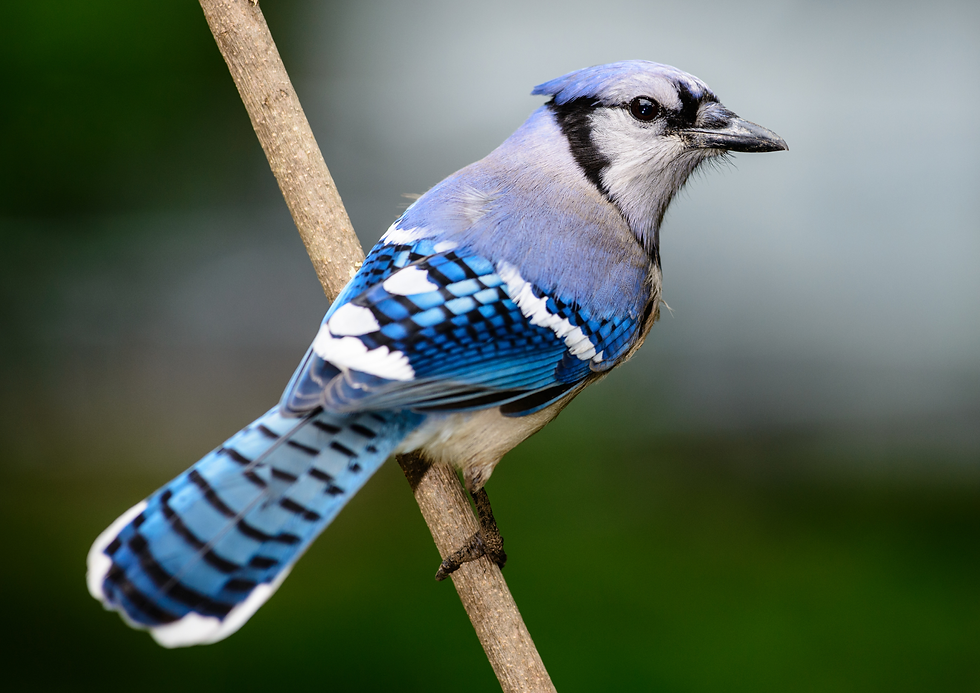
There’s something magical about sitting on my patio at dawn, long before the noise of traffic and the bustle of neighbors starting their day, when the first cheerful chirps and songs of birds singing are among the first sounds I hear. Each morning, as I fill my feeders, a bluejay calls out to his fellow jays, a loud announcement that breakfast is served. There's no question that they recognize my role in their lives, and I willingly accept my humble position as their servant.
Watching robins hop playfully around the grass, head cocked and listening intently for worms, brings me a great sense of calm, although I'm sure the worms feel quite differently. Robins are cunning hunters, but when I arrive with a handful of fruit, their priorities quickly shift from the worms to the fruit. They know the fruit is a sure thing, which serves as a nice reminder of the small pleasures we can share, even as it once again reinforces my true value.
Then there’s the wren, diligently building her nest in one of my birdhouses. I love witnessing her meticulous attention as she clears out the remnants of previous inhabitants and creates a cozy home for her upcoming offspring. A few weeks later, I'll hear the tiny wrens calling for food and watch their fluttering wings as they prepare to take their first brave leaps into the world. It's funny to observe their expressions as they emerge from the safety of the nest into a strange new world that will be their home. It’s easy to see their indecision about retreating back to the nest, especially with mom bringing them food. I've known that same indecision.
In these turbulent times, observing the cycles of life brings a sense of calm, reaffirming that, in my small corner of the universe, life marches on and always will in one form or another.
Birds play an unsung role in our ecosystem by providing invaluable services that often go unnoticed:
- They eat a vast array of insects, protecting our crops and reducing the need for chemical pesticides.
- Their role in seed dispersal contributes to reforestation and habitat renewal.
- Hummingbirds and other species pollinate plants, creating biodiversity and balanced ecosystems.
- Scavengers serve as nature's cleanup crew, consuming carcasses and helping to curb disease.
- The health of birds serves as a vital indicator of our environment's health, providing insight into its future.
So today, I'll take a moment to pause and appreciate these magnificent flying dinosaurs as they go about their lives. There is so much to be grateful for in their presence as our lives intersect on this shared journey. They have persevered for countless years and will likely continue to do so for millions more. The question remains: will we coexist with them? Only time will tell. For now, let's appreciate the beauty around us. The trees are alive with sounds of life... if only we listen!


Comments